Let me tell you something that might sting a little if you were born after 2005: you didn't experience it live, but you are living in its shadow every single day.
We spend so much time arguing about which decade was "the best" for music. The seventies had classic rock. The nineties had the grunge explosion and the birth of hip-hop’s Golden Age. But if we are talking about influence—the DNA that gets sampled, remixed, and reimagined in today’s charts—2004 is the undisputed heavyweight champion.
I’m not talking about nostalgia. I’m talking about the architectural blueprint for the modern soundscape. Here is the proof that 2004 didn't just have good songs; it rewired our brains and set the trajectory for the next twenty years of pop, rap, and indie.
The Year Hip-Hop Became the Mainstream’s Boss
Let’s be honest: before 2004, hip-hop was a guest at the pop table. Sure, Eminem had crossed over, and Nelly was doing duets with country stars, but the sound of the radio was still dominated by rock and teen pop hangovers.
Then, 2004 happened.
**Kanye West dropped The College Dropout.** That album alone changed the dress code, the lyrical content, and the production style of rap forever. He sampled soul records in a way that felt dusty and vulnerable, not just hard-hitting. He rapped about Jesus, his mom, and dropping out of college. That vulnerability created a lane for artists like Drake and Kid Cudi to exist a decade later.
But here’s what most people miss: **Usher’s Confessions was the other half of the equation.** That album sold over a million copies in its first week. It was sleek, R&B-infused hip-hop that dominated the dance floor. When Kanye and Usher are fighting for the top spot in the same year, you get a genre explosion that forces every other artist to adapt or die.
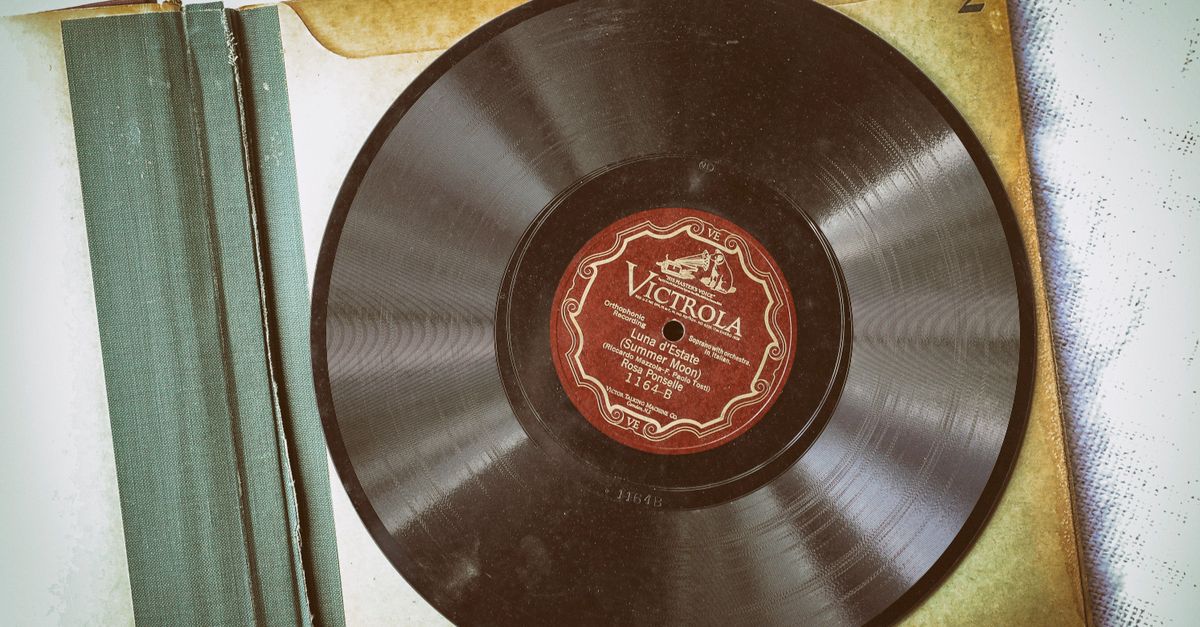
The Death of the Guitar Hero (and the Birth of the Laptop)
We need to talk about the elephant in the room: the guitar solo.
In 2004, the garage rock revival was already fading. The Strokes were tired, and the White Stripes were getting weird (in a good way, but still). Meanwhile, a producer named DJ Danger Mouse did something illegal and genius—he mashed up Jay-Z’s The Black Album with The Beatles’ The White Album to create The Grey Album.
That wasn't just a cool internet flex; it was a declaration of war. It proved that the most exciting "band" in the world could be a laptop and a crate of records.
This was the year that the "bedroom producer" became a viable artist. The equipment got cheaper, the software got easier, and suddenly, you didn't need a drummer to make a hit. You needed a vision. This shift is why you see kids on TikTok making beats in their dorm rooms today. 2004 was the year the industry realized the creator was the instrument, not the guitar.
The Indie "Pitchfork" Wave That Saved Rock
Wait, I said rock was dying? Let me correct myself. Stadium rock was dying. Indie rock was just being born.
2004 is the year that Pitchfork became the tastemaker of the decade, and they crowned a specific type of sound. Think about these albums:
- **Arcade Fire – Funeral** (Orchestral, anthemic, emotional).
- **Modest Mouse – Good News for People Who Love Bad News** (Quirky, mainstream-adjacent).
- **Interpol – Antics** (Dark, moody, post-punk revival).
These bands weren't playing frat parties; they were playing art galleries. This was the moment where "indie" became a personality trait, not just a distribution method. It created the "hipster" aesthetic that dominated the late 2000s.
I’ve found that when people complain about modern rock being "soft," they are actually complaining that it lacks the ambition of 2004. Bands today are still chasing the emotional catharsis of Funeral. They haven't caught it yet.

The Rise of the "Anti-Diva" and the Pop Standard
Pop music in 2004 was weird. It was the year where Britney was... well, going through it. It was the year where the "princess" archetype was officially retired.
Enter Gwen Stefani with Love. Angel. Music. Baby. and Alicia Keys with The Diary of Alicia Keys.
Gwen brought the Harajuku aesthetic and the dancehall-infused pop ("Rich Girl," "Hollaback Girl") that blurred the lines between rap, pop, and fashion. She wasn't just singing; she was branding.
Alicia, on the other hand, brought the piano back to the forefront. She proved you could be a "serious" musician and still top the Billboard charts. This duality—the weird fashionista and the soulful pianist—created the template for modern pop stars. Look at Lady Gaga (weird fashion + piano) or even Doja Cat (genre-fluid + internet weird).
2004 killed the one-dimensional pop star. You had to have a lore.
The "Grey" Area: Where Rock and Rap Actually Kissed
We hear a lot about genre-bending today, but it was happening in the mainstream in 2004 in a way that feels almost impossible now.
Remember **Linkin Park’s Collision Course with Jay-Z**? That came out in late 2004. It was a mashup EP that felt like a legitimate artistic statement, not a gimmick.
But more importantly, look at the radio charts. You had "Yeah!" by Usher (featuring Lil Jon and Ludacris) sitting next to "Mr. Brightside" by The Killers. These songs have nothing in common sonically, yet they coexisted on the same pop stations. The radio was a chaotic, beautiful mess of crunk beats and angular guitar riffs.
This cross-pollination taught a generation of kids that you didn't have to pick a side. You could love trap music and post-punk at the same time. That open-mindedness is the single greatest gift 2004 gave to the modern listener. It killed the "genre snob" before they could even mature.
The Emo Breakthrough (The Secret Ingredient)
Finally, we have to talk about the scene kids. 2004 was the year emo went mainstream, and I know that makes some people cringe, but hear me out.
**My Chemical Romance – Three Cheers for Sweet Revenge and Fall Out Boy – From Under the Cork Tree** (late 2004) changed the demographics of rock music.
Suddenly, rock wasn't just for dudes in leather jackets. It was for the theater kids, the outcasts, and the girls with raccoon eyeliner. This was the birth of the "Hot Topic" era. It was theatrical, emotional, and unapologetically dramatic.
Why does this matter today? Because without 2004’s emo wave, we don't get the current pop-punk revival (Olivia Rodrigo, MGK, etc.). The angst that fuels a massive chunk of today's streaming numbers was codified in 2004. It proved that sadness sells, as long as it has a killer hook.
So, when you listen to the radio today and hear a pop star rapping over a sample, or an indie band with orchestral swells, or a rock band with eyeliner—you are listening to the echo of 2004.
The music industry has spent the last twenty years trying to reverse-engineer the magic of that single year. They’ve tried the 80s synth revival, the 90s grunge revival, and now we’re deep in the 2000s Y2K revival.
But here is the truth: We aren't reviving 2004 because we miss the clothes. We are reviving it because we miss the fearlessness.
In 2004, nobody knew what the algorithm wanted. They were throwing spaghetti at the wall, mixing genres without permission, and releasing concept albums about zombies and French hookers. It was messy, it was weird, and it was perfect.
The next time someone tells you music was better "back in the day," ask them if they are listening to anything made after 2004 that doesn't owe a debt to it. I bet they can't name one.
Now, go put on The College Dropout and tell me I'm wrong. I dare you.
